Water Damage Restoration in Towne Lake Hills, GA
Towne Lake Hills is the largest piece of Towne Lake, split into East, North, South, and West sections around an Arthur Hills golf course that opened in 1994. The houses date from the early 1990s through about 2002, two-story frame builds with brick or stucco fronts on sloped lots off Towne Lake Parkway and Eagle Drive. Most have a daylight basement on the uphill side, many of them finished by a second or third owner, and the lower streets on the South and West sections drop toward Noonday Creek.
By now the roofs, the water heaters, and the washer hoses in these houses are on their second or third replacement, and the ones that have not been replaced are the ones that fail.
Homeowners in Towne Lake Hills who call this number are put through to an independent local water damage provider. The provider meters the house before any wall opens.
Towne Lake Hills water damage from the East section to the West
A basement finished in 2010 over a wall that has seeped since 1995 is a basement flooding cleanup job, and the readings behind the finished wall decide how much opens. A garage water heater that rusted through and ran under the wall into the basement is water extraction. A ceiling stained under an upstairs bath is ceiling water damage.
Four sections, one permit desk
All four sections of Towne Lake Hills are unincorporated Cherokee County, so the permit for a rebuild goes through the county desk in Canton, and each section's association handles the exterior. Tell the crew which section the house is in, since the four are spread across a couple of square miles.
Call (770) 697-0510 and say what is wet. We reach an independent local water damage provider serving Towne Lake Hills.
Services Available in Towne Lake Hills
Basement Flooding Cleanup
Rain that came through a daylight basement wall or a failed pit pumped out, then the carpet, pad, and lower drywall metered before anything is pulled.
Water Extraction
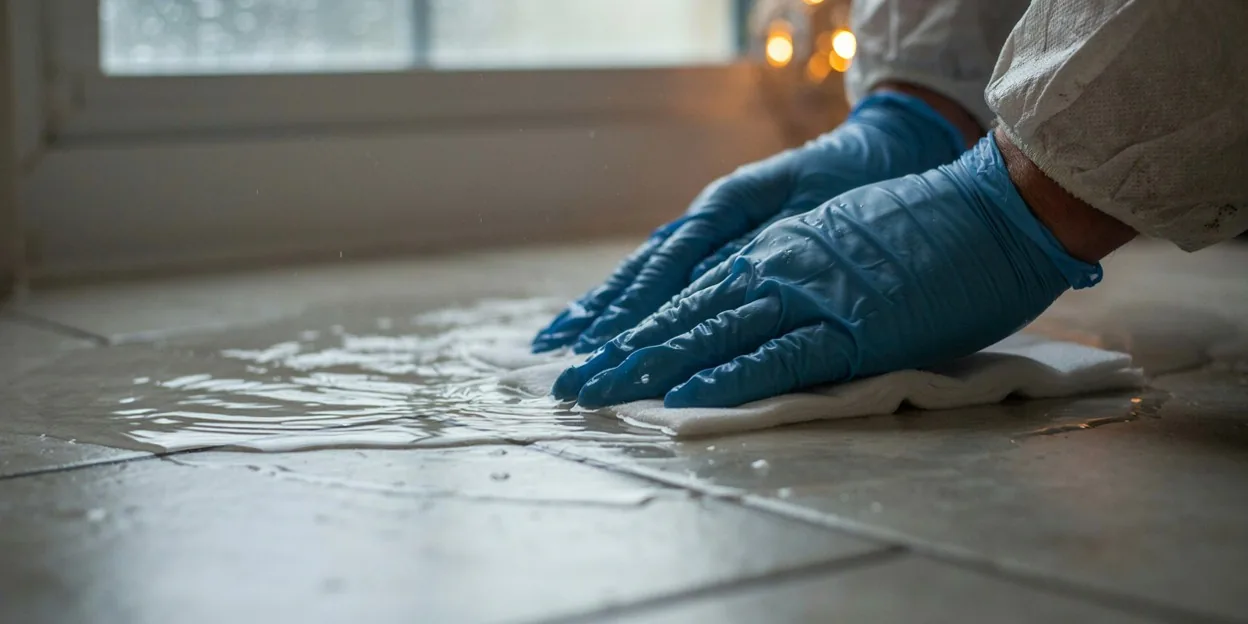
Standing water pulled off tile, hardwood, and carpet with truck-mounted or portable extractors, followed by the first moisture map of the house.
Structural Drying
Air movers and dehumidifiers set by the readings, then checked daily until subfloor, studs, and drywall reach their dry target in Georgia humidity.
Flood Cleanup
Creek or storm water that entered the house removed, contaminated materials bagged out, and the rooms cleaned and dried on a plan.
Crawl Space Water Extraction
Water pumped from under a vented crawl space, wet insulation removed, and joists and subfloor dried before the floor above goes soft.
Ceiling Water Damage
A stained or sagging ceiling under an upstairs bath, laundry, or roof leak opened where the readings say, dried, and prepared for repair.
Washing Machine Overflow Cleanup
A burst hose or overflow in an upstairs laundry traced through the floor, extracted, and dried in the laundry room and the room beneath it.
Hardwood Floor Drying
Cupped or crowned hardwood dried with floor mats and readings taken from below before anyone decides the boards have to come up.